
Programs Based in the Biotechnology Building
 Molecular Biology & Genetics
MBG engages in cutting-edge research, training, and teaching to solve basic questions in the life sciences and to apply biological knowledge to critical medical, agricultural and environmental problems. Their goal is to inspire the next generation of scientists, teachers, and communicators by providing research mentorship and classroom instruction in biochemistry, bioinformatics, cell biology, genetics, and molecular biology and by initiating and participating in collaborative research across the Cornell campuses.
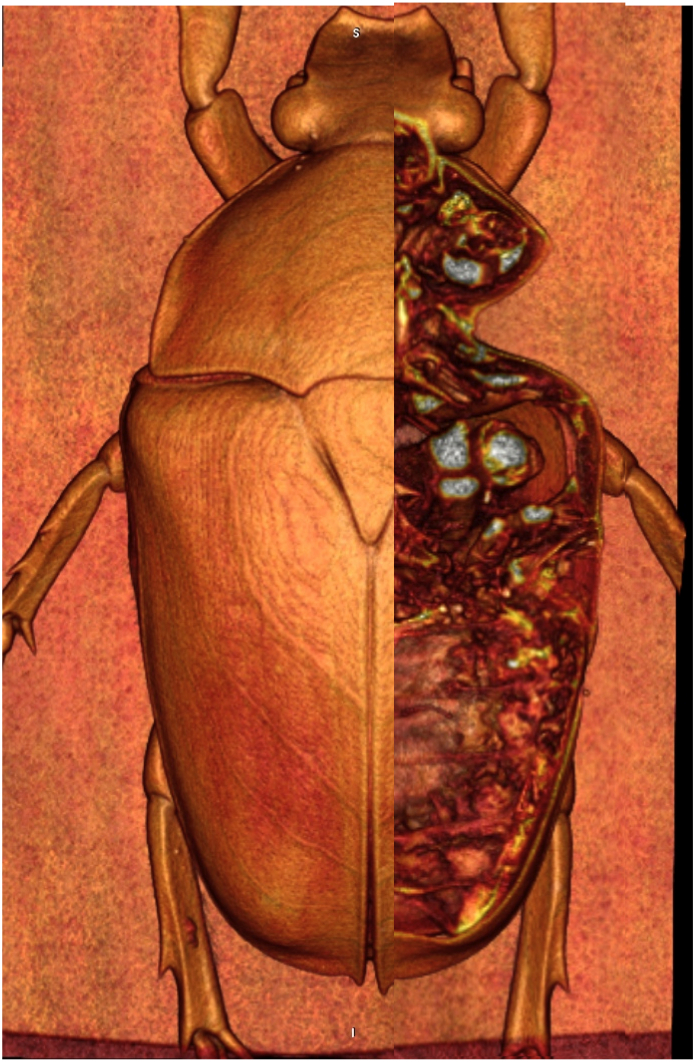
The Institute of Biotechnology is a part of Cornell University’s vibrant life science ecosystem, dedicated to advancing scientific discovery, innovation, and commercialization in Biotechnology. By providing specialized expertise and state-of-the-art instrumentation, they support the Cornell research community in pushing the boundaries of knowledge and translating applied research into real-world impact. Through both the use of established Biotechnologies and the development of new ones, their work helps address some of the most pressing challenges of our time.
Weill Institute for Cell and Molecular Biology
The mission of Weill Institute is four fold: (1) Establish Cornell as a premier university in cell biology research; (2) Stimulate new discoveries that can be translated into medical advances that improve human health; (3) Attract the best students, postdocs and scientists; (4) Establish an environment that encourages collaboration and the transfer of ideas and technology.
 Division of Nutritional Sciences
The Division of Nutritional Sciences (DNS) at Cornell University was established in 1974 through a union of the Graduate School of Nutrition, an autonomous Graduate School at Cornell University, and the Department of Food and Nutrition in the College of Human Ecology. It is among the largest academic units in the United States devoted to human nutrition. It combines expertise in molecular biology, genetics and metabolism, physiology, community nutrition, international nutrition, and food policy.